Roof leaks can develop in several parts of a property, but joints and valleys are particularly vulnerable because they are designed to manage water flowing between different sections of the roof. When these areas become damaged, poorly sealed or blocked, rainwater can find its way beneath the roof covering and into the building.
For homeowners in Andover, Hampshire, understanding why leaks occur around roof joints and valleys can make it easier to recognise potential problems and arrange repairs before further damage develops. Regular roof inspections and timely maintenance are important for keeping these vulnerable areas in good condition.
What Are Roof Joints and Valleys?
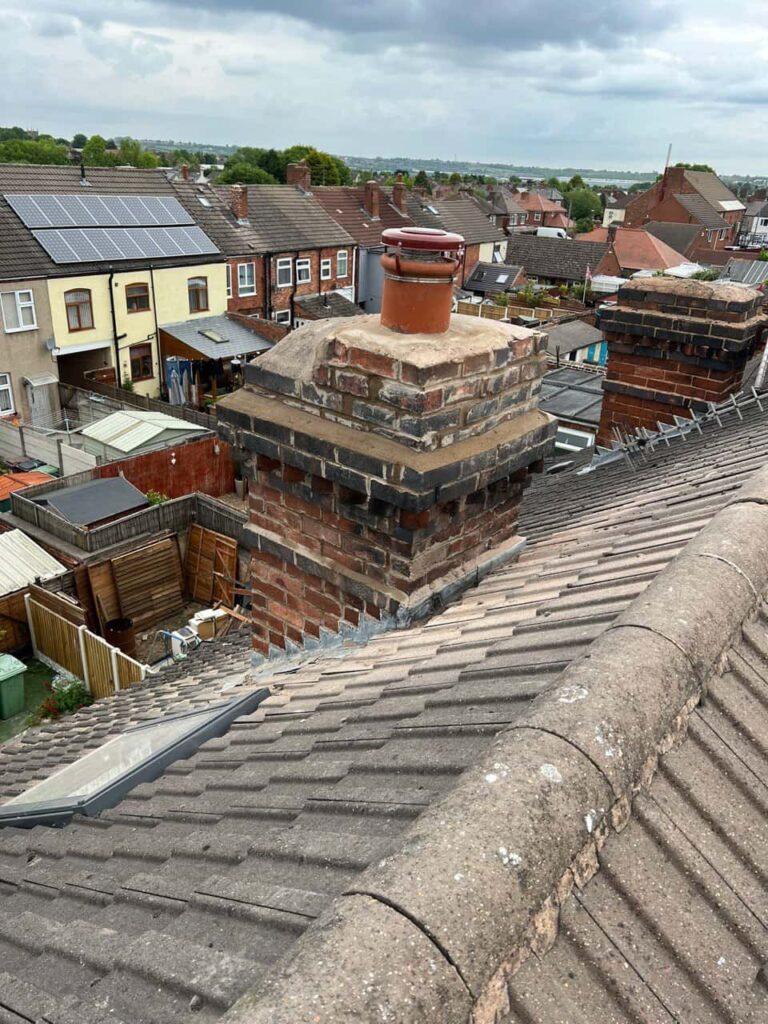
Roof joints are the points where different sections of a roof meet or connect. These can include areas around chimneys, extensions, dormers and roof abutments. They often rely on flashing and carefully fitted materials to prevent water from entering the structure.
A roof valley is the internal angle formed where two sloping roof sections meet. It collects rainwater from both sides and directs it towards the gutters. Because a considerable amount of water can pass through this area during rainfall, the valley covering must remain properly fitted and free from damage.
Both features play an essential role in keeping a roof watertight. Even relatively small defects can allow moisture to enter.
Common Causes of Leaks Around Roof Joints
Several issues can affect the protective materials used around roof joints.
Damaged or Deteriorating Flashing
Flashing is commonly installed around chimneys, walls and other roof junctions to create a weatherproof seal. Over time, exposure to wind, rain and temperature changes can cause flashing to loosen, crack or deteriorate.
If the flashing becomes displaced, water may pass behind it and reach the underlying roof structure. Damaged lead flashing, in particular, should be assessed promptly to determine whether it needs repair or replacement.
Poorly Sealed Roof Connections
Roof joints require careful detailing to prevent gaps forming between adjoining materials. If the original installation was not completed correctly, or previous repairs were inadequate, water may find a route through the connection.
Sealants can also deteriorate over time, especially when exposed to repeated weather changes. Reapplying sealant without addressing the underlying defect may only provide a temporary solution.
Movement Around Roof Structures
Minor movement can occur as buildings respond to changes in temperature and general settlement. Where different roof sections meet, this movement can place stress on joints and flashing.
If protective materials become separated or damaged, rainwater may enter through the affected area. A professional inspection can help identify whether the problem relates to flashing, roof coverings or the underlying structure.
Why Roof Valleys Are Particularly Vulnerable
Roof valleys handle water from two adjoining roof slopes, making them important drainage points. Their position and function mean that defects can quickly lead to water entering the roof space.
Common causes of valley leaks include:
- Cracked or damaged valley coverings: Deterioration in lead, metal or other valley materials can create openings for water.
- Displaced roof tiles: Slipped or broken tiles near the valley can expose vulnerable sections beneath.
- Accumulated debris: Leaves, moss and dirt can obstruct water flow and encourage water to collect.
- Poor installation: Incorrectly fitted valley materials may leave gaps or create areas where water cannot drain effectively.
Keeping valleys clear and checking their condition can help reduce the risk of leaks, particularly after periods of heavy rainfall or strong winds.
Signs That a Roof Joint or Valley May Be Leaking
Not all roof leaks are immediately visible from outside. Water can travel along roof timbers or beneath coverings before appearing inside the property.
Look out for the following warning signs:
- Damp patches on ceilings or upper walls.
- Water staining around chimney breasts or roof extensions.
- Peeling paint or bubbling plaster near the roofline.
- Dripping water in the loft during rainfall.
- Visible damage, gaps or displaced materials around roof joints.
- Debris collecting in roof valleys or signs of standing water.
If these symptoms appear, it is important to establish where the water is entering rather than simply repairing the visible internal damage.
Why Prompt Roof Leak Repairs Matter
A small leak can gradually affect roof timbers, insulation, ceilings and internal finishes. Continued moisture may also encourage mould growth and cause further deterioration if the source is not addressed.
Prompt repairs help prevent water from continuing to enter the property. Depending on the cause, the work may involve replacing damaged flashing, securing displaced tiles, repairing a valley lining or clearing an obstruction.
A thorough assessment is important because the visible damp patch may not be directly beneath the point where water enters the roof.
Professional Roof Leak Repairs in Andover, Hampshire
Roof joints and valleys require careful attention because they involve several connecting materials and important drainage details. Identifying the precise source of a leak is essential for carrying out an effective repair.
MCM Roofing Repairs Andover provides roofing repair services in Andover, Hampshire, helping homeowners address leaks, damaged roof coverings and deteriorating flashing. Whether you have noticed damp patches indoors or visible problems around a roof valley, professional advice can help determine the appropriate next step.
Conclusion
Roof leaks often develop around joints and valleys because these areas manage water flow and rely on properly fitted coverings, flashing and seals. Damage, poor installation, displaced tiles and blocked drainage can all compromise their ability to keep rainwater out.
Regular inspections and prompt repairs can help protect your roof and prevent avoidable internal damage. If you suspect a leak around a roof joint or valley in Andover, contact MCM Roofing Repairs Andover to discuss your roofing concerns and arrange a professional assessment.
Call us on: 01264 312 525
Click here to find out more about MCM Roofing Repairs Andover
Click here to complete our contact form and see how we can help with your roofing needs.